Innovate. Research. Lead.

JPC: Neuroscience & Psychodynamic Psychotherapy

program overview

Integrating Neuroscience and Psychodynamic Psychotherapy

A clinically useful integration of neuroscience and psychodynamic psychotherapy designed to help clinicians translate observation into formulation, timing, and intervention without reducing psychotherapy to biology.

Core Value

What Participants Gain

Clinical Clarity

A repeatable framework for moving from observation to formulation to intervention.

Deeper Integration

Connect neuroscience with psychodynamic listening without losing complexity or meaning.

Immediate Relevance

Apply concepts directly to trauma, dysregulation, attachment, enactment, rupture, and repair.
Alumni Stories

What Our Graduates Say

World-Class Faculty

Program Quick Facts

Format
The program is virtual online.
Start
Tentatively, August 2026
Scholarships
Tution
$3,100

Questions?

Please direct questions about the application process to admissions@icsw.edu

For eligibility questions, contact Dr. Carla Leone at cleone@icsw.edu or call (847) 328-3695

Milestones

6 Month Curriculum Overview

Weeks 1–6

Foundations

Neuroanatomy, autonomic regulation, affect systems, attachment.
Weeks 7–8

Self-System Organization

Implicit relational knowing and complex adaptive self.
Weeks 9–12

Memory & Networks

Implicit and explicit memory, major neural networks.
Weeks 13–16

Therapeutic Dyad

Co-regulation, predictive processing, affective communication.
Weeks 17–20

Trauma & Enactment

Trauma, dissociation, defensive organization.
Weeks 21–24

Repair & Integration

Clinical decision-making and integrated formulation.
Competencies

Participant Learning Outcomes

Formulate clinical material across Levels of Analysis.
Use neuroscience concepts to clarify formulation and timing.
Differentiate implicit process, memory, and identity.
Recognize regulation and repair opportunities.
Formulate trauma and dissociation patterns.
Apply intervention timing more effectively.
Write integrated case formulations.
Pedagogy

Teaching Format & Program Components

Weekly Seminars

Faculty-led learning and discussion.

Assigned Readings

Core, bridge, and advanced readings.

Clinical Vignettes

Applied formulation exercises.

Assessment

Quizzes, written work, and capstone.
overview

Certificate Requirements

Program Dates
Tentatively, August 2026 to May 2027
Format
The program is virtual online.
Schedule
Fridays, from 1 PM to 4 PM (Central Time)
Continuing Education
72 hours of CEU credit hours are approved, pending completion of the certificate program.
Requirements

Certificate Requirements

1

Attendance

80–85% attendance standard.
2

Preparation

Completion of weekly readings and preparation.
3

Assessment

Unit quizzes and competency review.
4

Clinical Formulation

Written application of program frameworks.
5

Capstone

Faculty-reviewed final case formulation.

Program Quick Facts

$3100Total
Tuition is $3,100. The application includes a personal statement and a non-refundable $50 fee.
Payment plans available
Scholarship priority programs

Application Process

Personal Statement Submission
Non-refundable $50 Application Fee
Complete applications due July 30, 2026
Rolling Admissions Policy

Questions?

Please direct questions about the application process to admissions@icsw.edu

For eligibility questions, contact Dr. Carla Leone at cleone@icsw.edu or call (847) 328-3695

Faculty

Faculty & Leadership

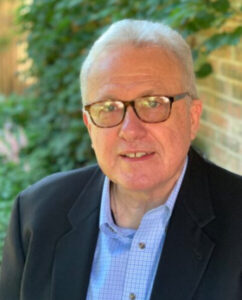
William D. Gieseke, PhD

AREAS OF INTEREST & APPROACHES TO PRACTICE I am interested in human development as informed by a complex adaptive systems…
Discover More

Adjunct Clinical Consultants

All consultants are very experienced couple therapists and clinical supervisors who are offering their time at a reduced rate to support the mission of this program.All consultants are very experienced couple therapists and clinical supervisors who are offering their time at a reduced rate to support the mission of this program.